


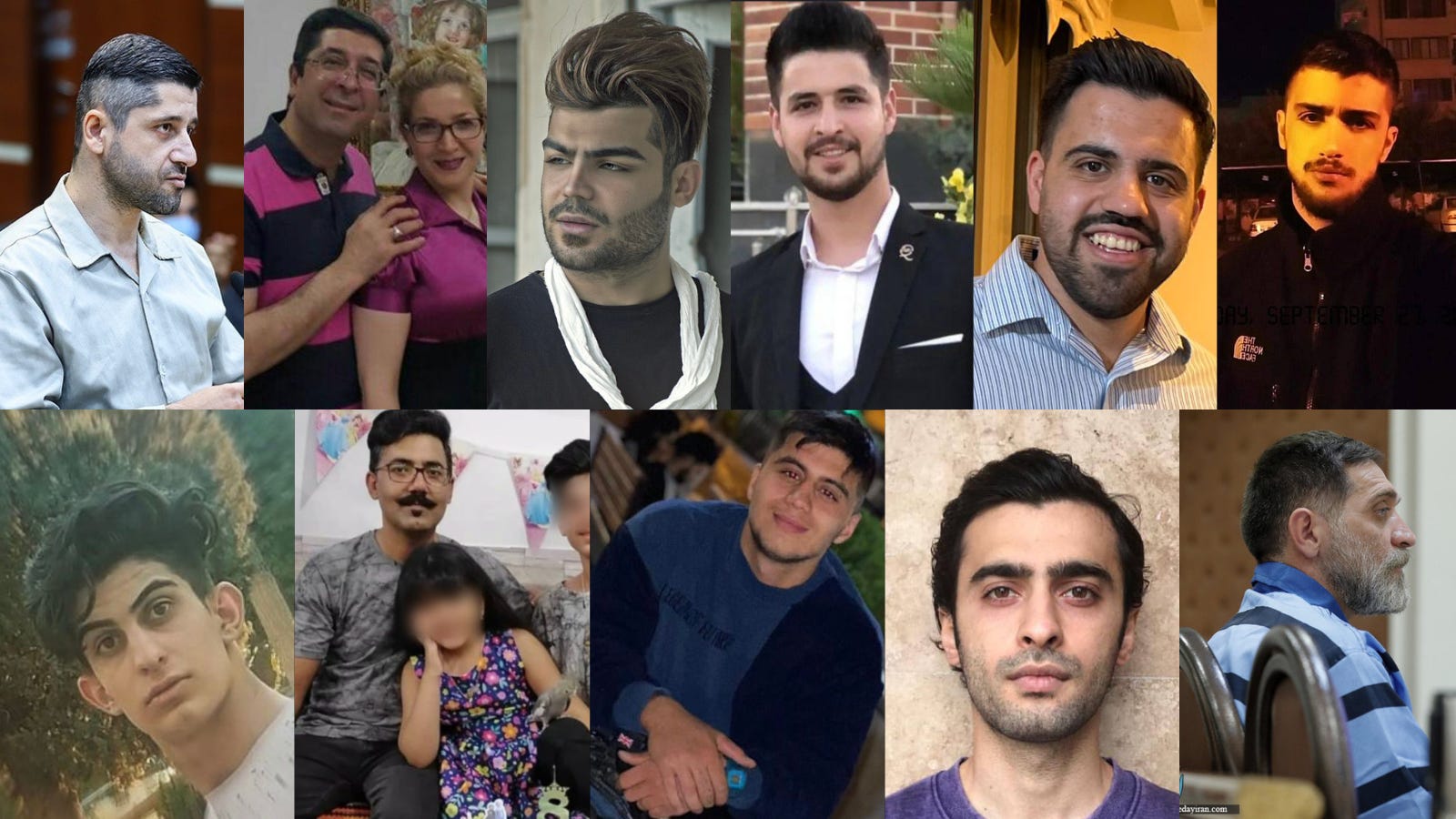
Dozens of protesters in Iran are at imminent risk of execution after grossly unfair and fast-tracked trials. Some have been transferred to other facilities without advance notice to their families in preparation for execution. Over 18,000 protesters have been arbitrarily detained since anti-government “Woman Life Freedom” demonstrations began in mid-September, according to human rights watchdogs.
Two young protesters, Mohsen Shekari and Majidreza Rahnavard, were hanged on December 8 and 12, respectively, after being convicted of “waging war against god” in sham trials without due process or independent legal representation.
At least 11 people are at imminent risk of execution: Sahand Nourmohammad-Zadeh; Mahan Sadrat (Sedarat) Madani; Manouchehr Mehman Navaz; Mohammad Boroughani; Mohammad Ghobadlou; Saman Seydi (Yasin); Hamid Ghare Hasanlou; Mohammad Mehdi Karami; Sayed Mohammad Hosseini; Hossein Mohammadi; and Reza Arya.
Six others charged with crimes carrying the death penalty are Saeed Shirazi; Abolfazl Mehri Hossein Hajilou; Mohsen Rezazadeh Gharegholou; Akbar Ghafari; Toomaj Salehi; Ebrahim Rigi; Amir Nasr Azadani; Saleh Mirhashemi; and Saeed Yaghoubi.
Iranian authorities have a long record of sentencing protesters and dissidents to death based on trumped-up charges and forced confessions extracted under torture and pressure.
Using the death penalty to instill fear
Under Iran’s Islamic Penal Code of 2013, the death penalty can apply to a wide range of offenses in violation of international human rights law.
The most common vaguely defined criminal charges that are often used against dissidents or protesters are moharebeh or “waging war against God,” efsad-e fel-arz or “corruption on earth,” and baghy or “armed rebellion.” These charges carry the death penalty and are handled by the Revolutionary Courts, presided over by judges who are some of the most notorious rights violators.
In Iran, defendants are tried in trials that are systematically unfair and lack due process. Individuals are routinely denied access to an attorney and are forced to make torture-tainted “confessions.”
“Given that the Iranian authorities are adamant on continuing their killing spree, both on the streets and through sham trials, it falls on the international community to urgently take action to stop further executions,” said Diana Eltahawy, Amnesty International’s Deputy Director for the Middle East and North Africa.
The Protesters at Risk of Execution

Dr. Hamid Ghare Hasanlou: A physician from Karaj, Hamid Ghareh-Hasanlou was sentenced to death for “corruption on earth” on December 5, less than a week after undergoing an unfair trial in connection with the alleged killing of a Basij member during the November 2022 protests.
His wife, Farzaneh Ghare-Hasanlou, was sentenced to 25 years’ imprisonment, which the court ruled must be served in “internal exile” and isolation.
His case is marked by serious due-process violations. He and his wife were denied access to independently chosen lawyers, and authorities relied on statements allegedly extracted through torture.
Ghareh-Hasanlou was severely beaten in custody, suffering broken ribs and internal bleeding in his lung that required multiple surgeries. Despite his condition, authorities removed him from the hospital against medical advice and brought him to court while heavily sedated. During the trial, he showed the judge his torture injuries, but no investigation into his allegations was conducted.
He is a medical doctor sentenced to death for “corruption on earth” in a fast-tracked sham group trial. Authorities have accused him of alleged involvement in a fatal assault on a Basiji agent. He was severely tortured, leading to his hospitalization with broken ribs, internal bleeding in his lung, & bruising.
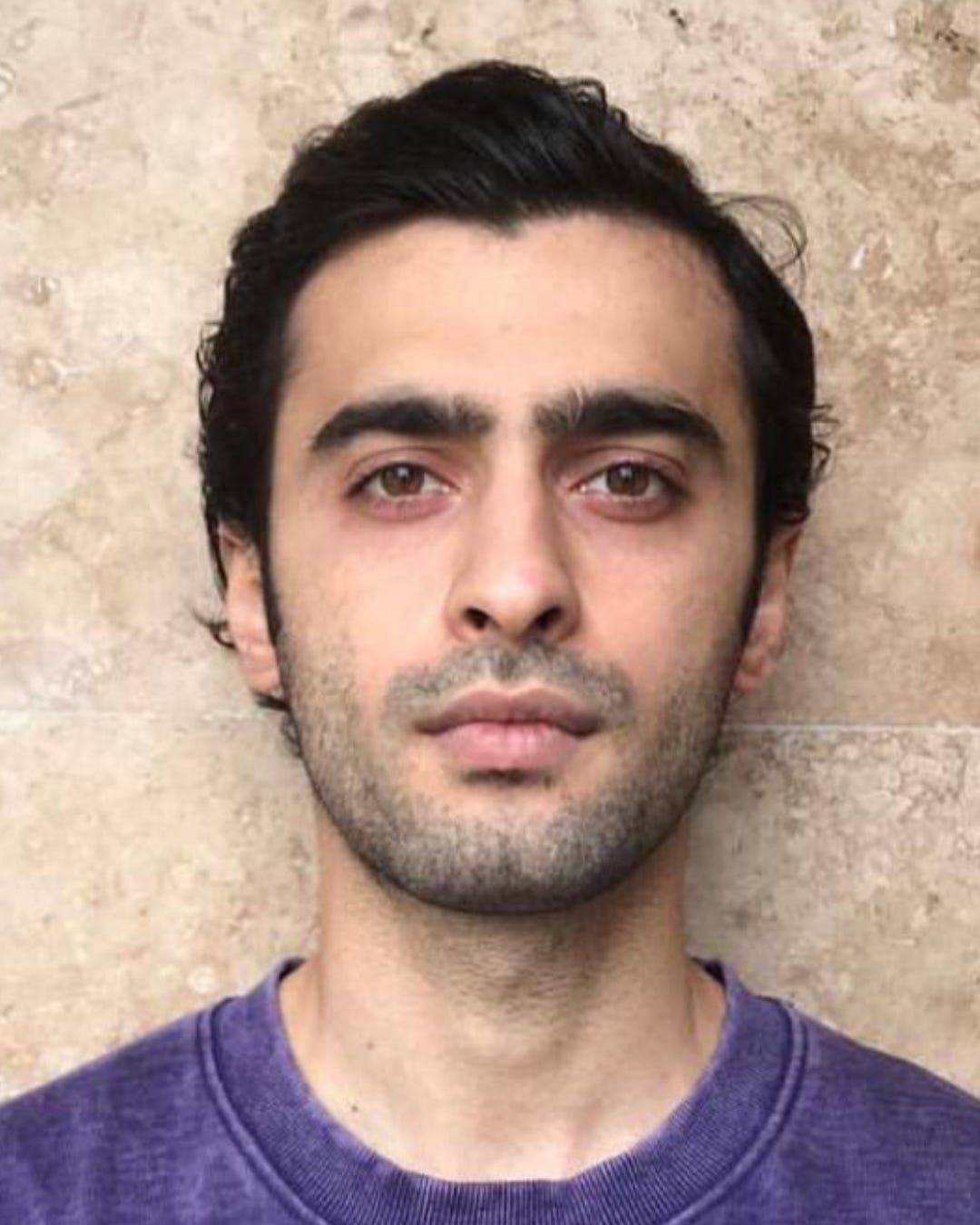
Hossein Mohammadi: A 26-year-old theatre actor was sentenced to death for “corruption on earth” after a grossly unfair group trial without due process in connection with the alleged fatal assault of a Basij member.
He was tried as one of 16 defendants in a fast-tracked group proceeding in which the trial began on November 30, 2022, and his death sentence was issued less than a week later. Amnesty International described the proceedings as a “grossly unfair sham trial.”
Defendants were denied access to lawyers of their own choosing, while state media broadcast alleged forced “confessions” and portrayed them as “murderers” before trial, violating the presumption of innocence.
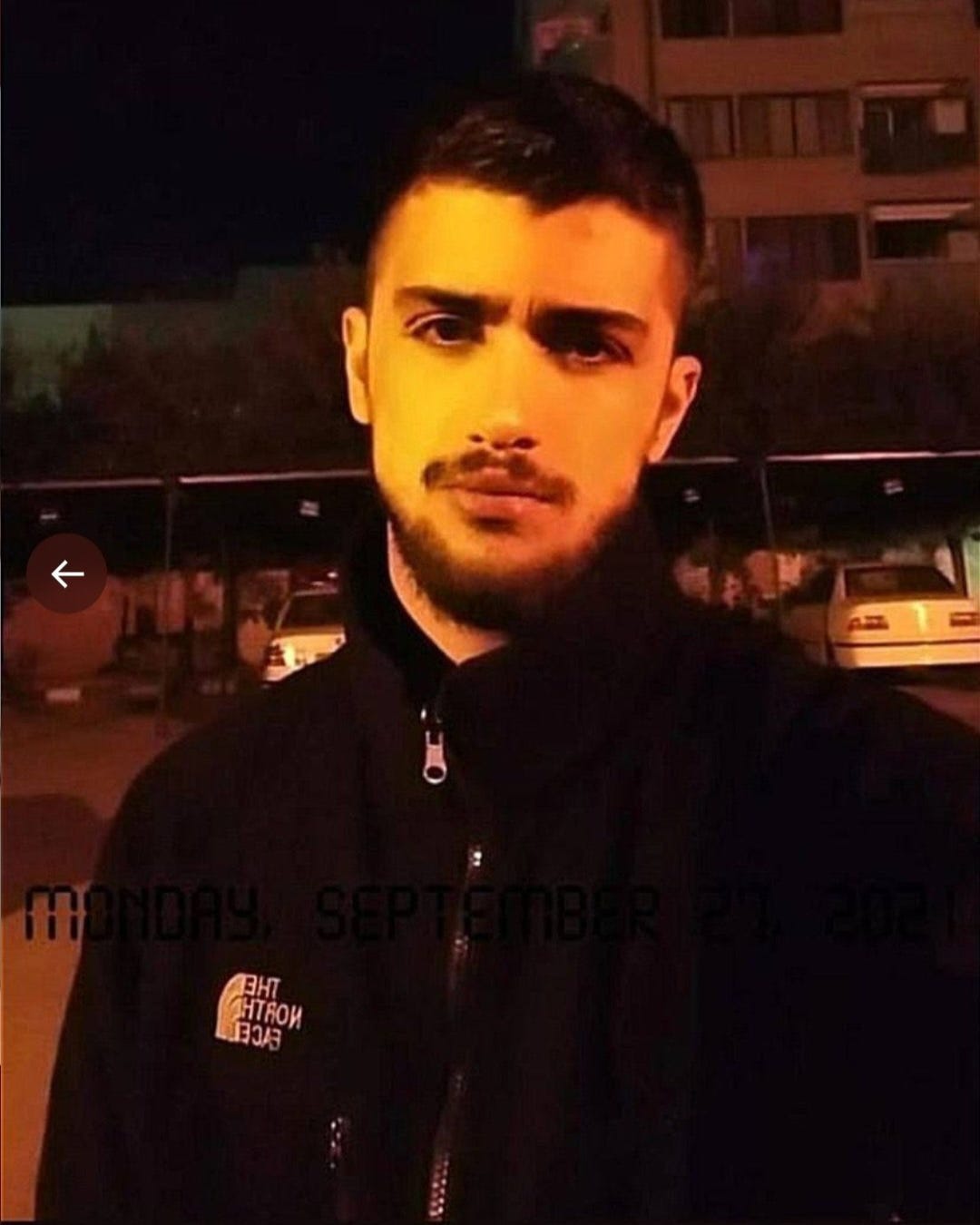
Mohammad Mehdi Karami: A 22-year-old karate champion sentenced to death for “corruption on earth” in connection with the alleged fatal assault of a Basij agent.
He was tried alongside 16 other defendants in a fast-tracked group trial that began on November 30, 2022, and resulted in his death sentence less than a week later. Karami was denied access to a lawyer of his own choosing, while his court-appointed lawyer reportedly failed to mount an effective defense. His family’s lawyer was barred from representing him and denied access to the case file.
Karami also told his family that he had been tortured in detention, including being beaten so severely during his arrest that security forces allegedly left him for dead. State media broadcast alleged “confessions” and portrayed the defendants as “murderers” before their trials, undermining their right to the presumption of innocence.
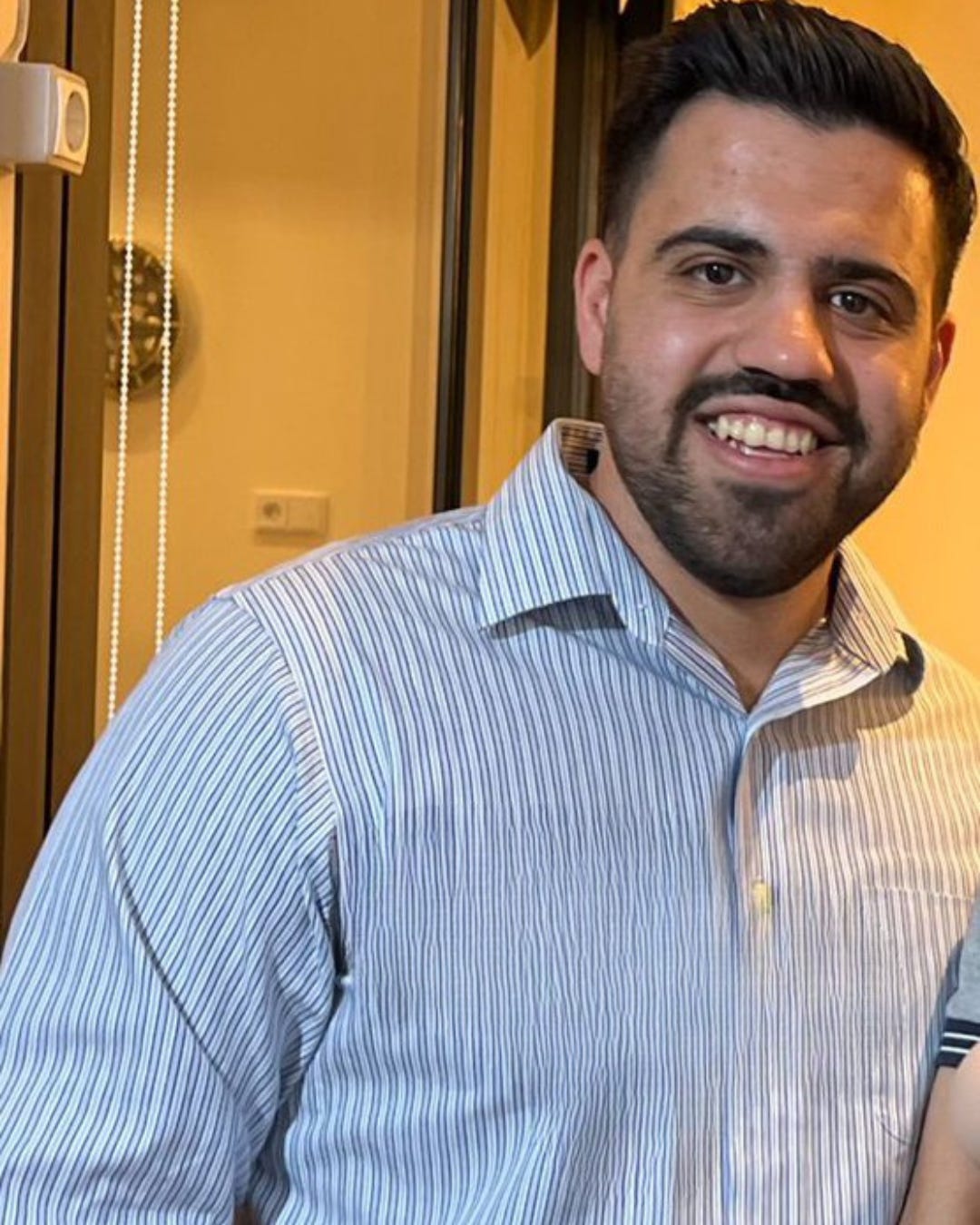
Sahand Nourmohammad-Zadeh: A 25-year-old protester was sentenced to death for “enmity against God” in connection with allegations that he tore down highway railings and set fire to rubbish cans and tires with the aim of “disrupting peace and order and confronting the Islamic state.”
In an audio recording from prison, Nourmohammad-Zadeh said he was held in solitary confinement for about a week and subjected to intense psychological pressure to make self-incriminating statements.
Interrogators falsely told him his mother was critically ill and promised him a phone call if he signed statements they dictated. He said they repeatedly threatened him with execution and coerced him into filmed “confessions,” promising his release if he “cooperated.” He also said he did not know what “enmity against God” (moharebeh) meant when authorities charged him with it.
His sentence was issued after a fast-tracked proceeding that took place less than two months after his arrest. His lawyer disputed the prosecution’s evidence in court, arguing that the video footage presented as evidence did not show Nourmohammad-Zadeh setting fire to rubbish bins or tearing down highway railings. Human rights organizations have documented widespread violations of fair-trial rights in the proceedings against protesters facing the death penalty, including denial of access to lawyers of their own choosing and the presumption of innocence.
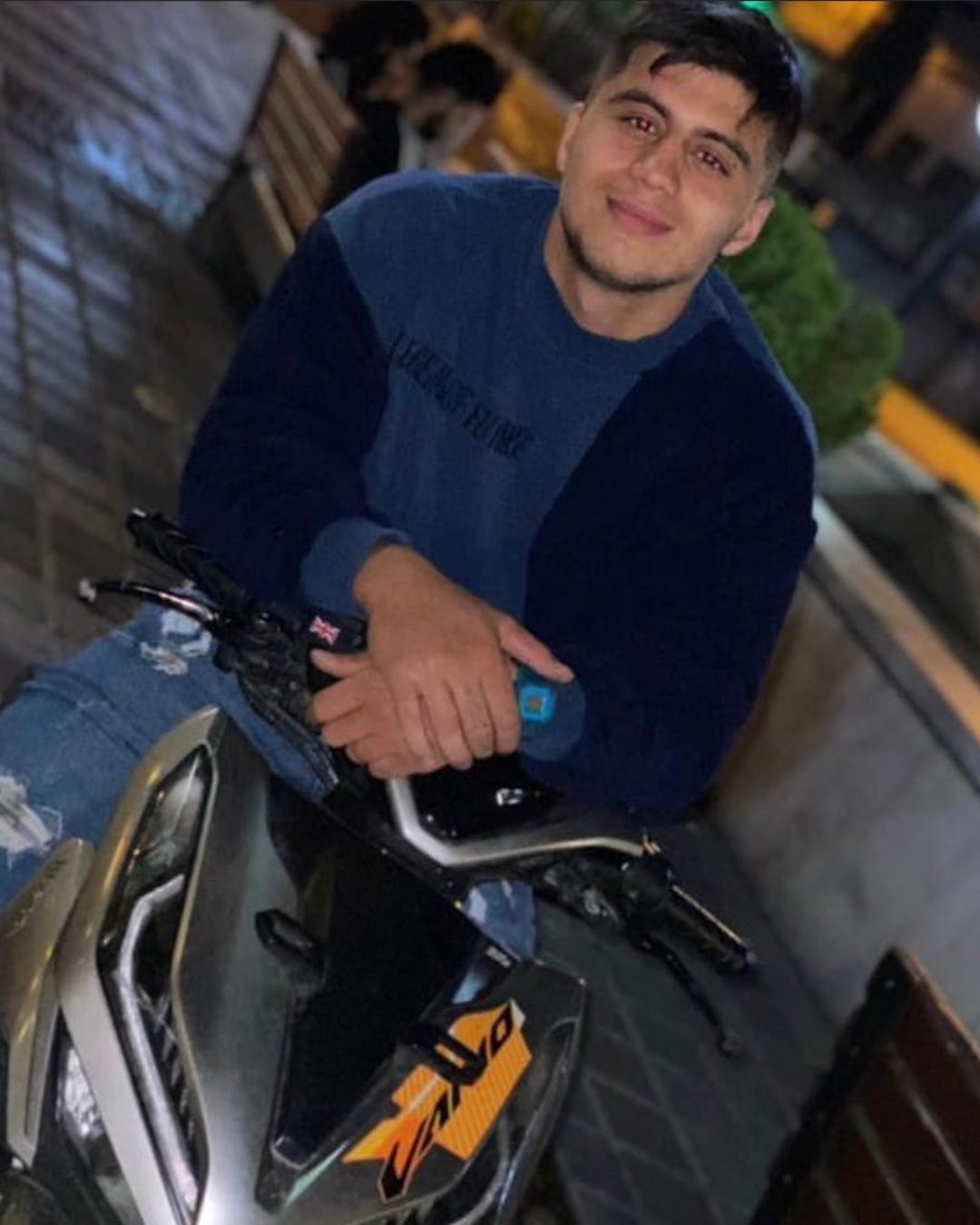
Mahan Sedarat Madani: A 22-year-old protester sentenced to death for “enmity against God” (moharebeh) over accusations of allegedly setting a motorcycle on fire, damaging a mobile phone, and attacking an individual with a knife. Madani repeatedly denied stabbing anyone. He repeatedly denied in court the accusations related to attacking someone with a knife.
Amnesty International reviewed the CCTV footage presented as evidence and found it grainy and too unclear to identify anyone with reasonable certainty; no knife was visible in the footage.
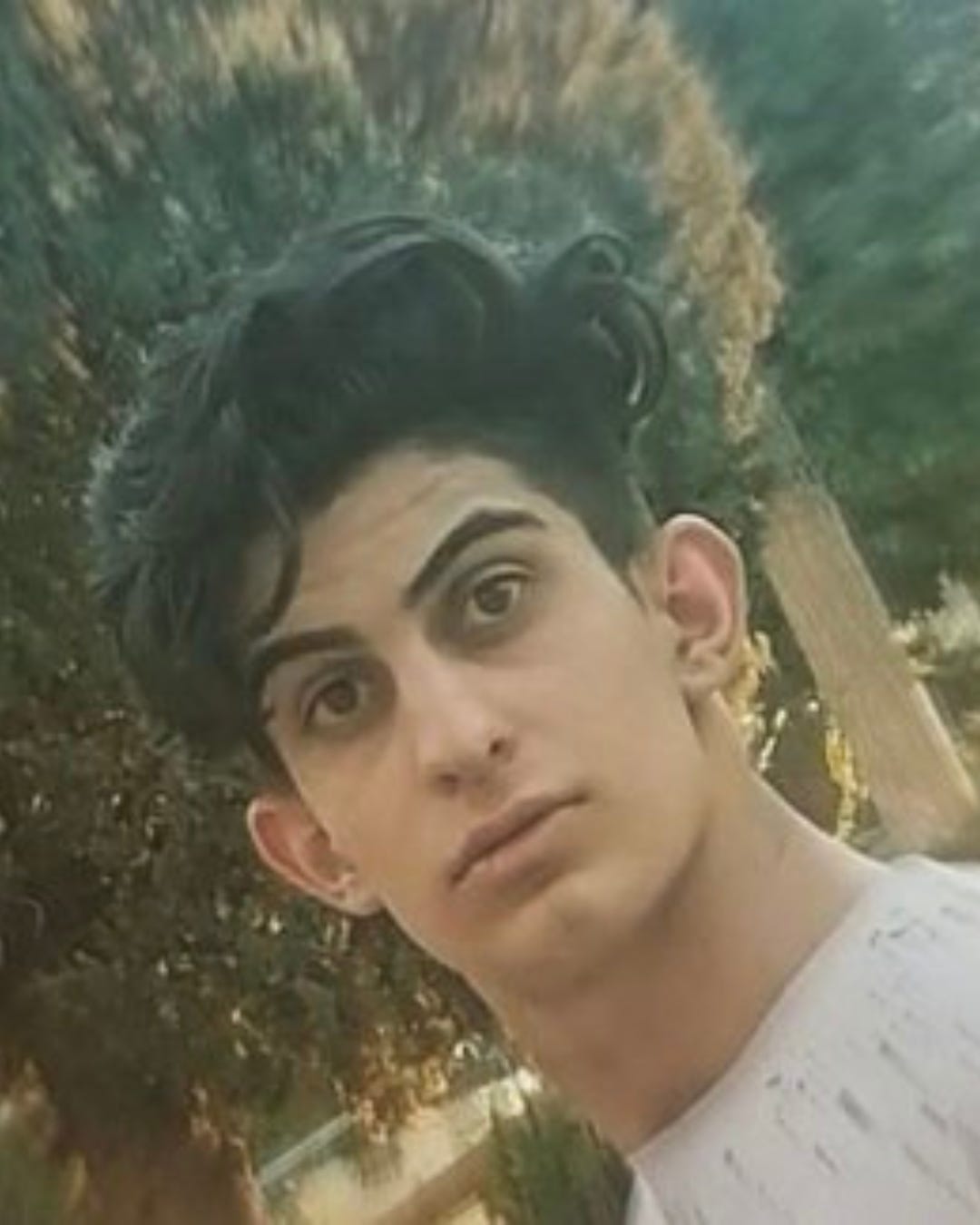
Mohammad Boroughani: A 19-year-old protester sentenced to death for “enmity against God” (moharebeh) in an unfair, fast-tracked group trial.
A Tehran Revolutionary Court sentenced him in November 2022 over allegations that he wielded a machete, set fire to the governor’s building, and injured a state agent. He was tried alongside at least five other men in proceedings that lasted less than two weeks and were conducted under a banner referring to the defendants as “recent rioters,” undermining their presumption of innocence.
On December 14, authorities transferred Boroughani to Section 390 of Raja’i Shahr Prison in Karaj, sparking fears that his execution was imminent.
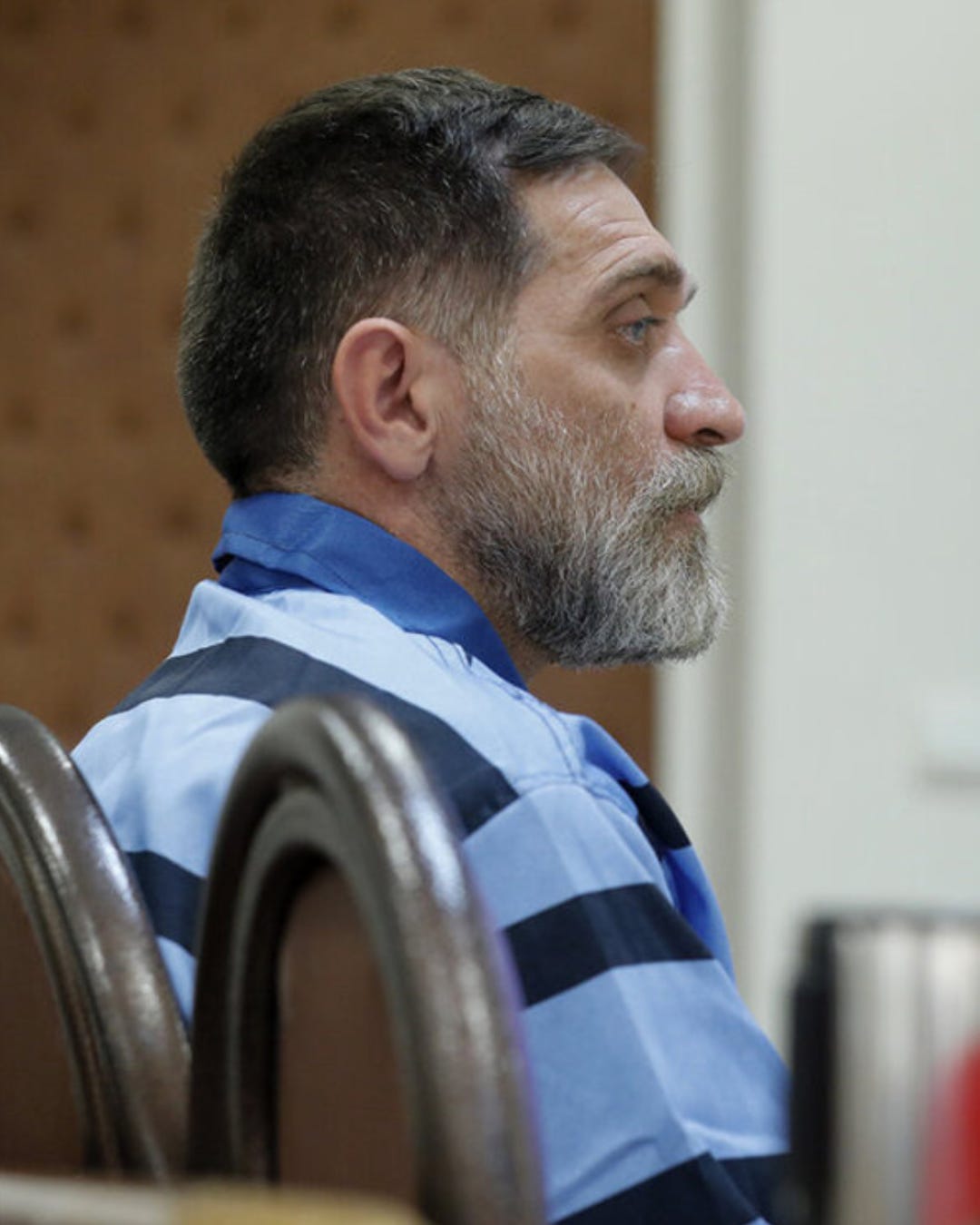
Manouchehr Mehman-Navaz: A protester sentenced to death for “enmity against God” (moharebeh) after a Revolutionary Court accused him of setting fire to a government building and cars during protests “with intent to confront the Islamic state.” His death sentence was issued just two weeks after his trial began on October 29, 2022, in proceedings Amnesty International described as an unfair sham trial bearing no resemblance to meaningful judicial proceedings.

Saman Seydi (Yasin): A young Kurdish rapper sentenced to death for “enmity against God” (moharebeh) over allegations that he fired a pistol three times into the air during protests.
Amnesty International reported that authorities tortured him to extract forced “confessions,” including through severe beatings and exposure to extreme cold. His lawyer was barred from accessing his case file, which authorities declared “confidential,” and disputed the evidence, saying the video used to convict him did not clearly identify the person firing the weapon and that no gun or ammunition had been recovered.
Seydi was tried with at least five other protesters in a group proceeding that began on October 29. In early December, he was transferred from Evin Prison to Raja’i Shahr Prison in Karaj, sparking fears that his death sentence had been upheld and his execution was imminent.
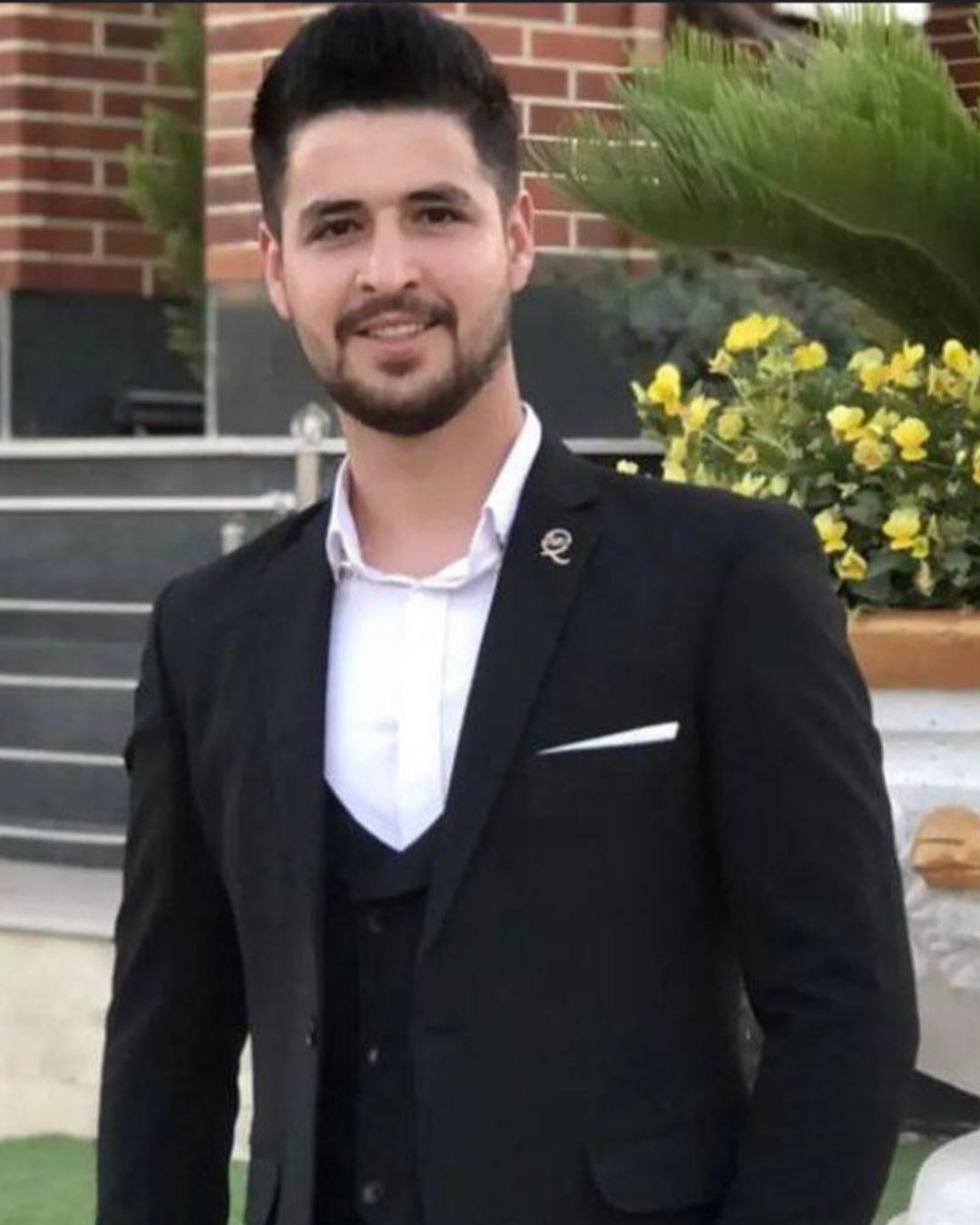
Mohammad Ghobadlou: A 22-year-old protester sentenced to death for “corruption on earth” (efsad-e fel arz) after a fast-tracked, unfair trial before a Revolutionary Court in Tehran.
Authorities relied on torture-tainted “confessions” to convict him of allegedly driving over police officials, killing one and injuring others. His lawyer challenged the prosecution’s evidence, pointing to the absence of key records and evidence in the case file, including crime-scene photographs, medical records and the post-mortem examination.
Ghobadlou’s independently appointed lawyers were barred from representing him before the Revolutionary Court, and he was denied access to a lawyer during the investigation phase.
A forensic report documented bruising and injuries to his arm, elbow, and shoulder blade that were assessed to have been sustained while he was in custody. His mother also said he had mental health problems, but his lawyers and relatives reported that the court failed to conduct adequate assessments of his mental health.
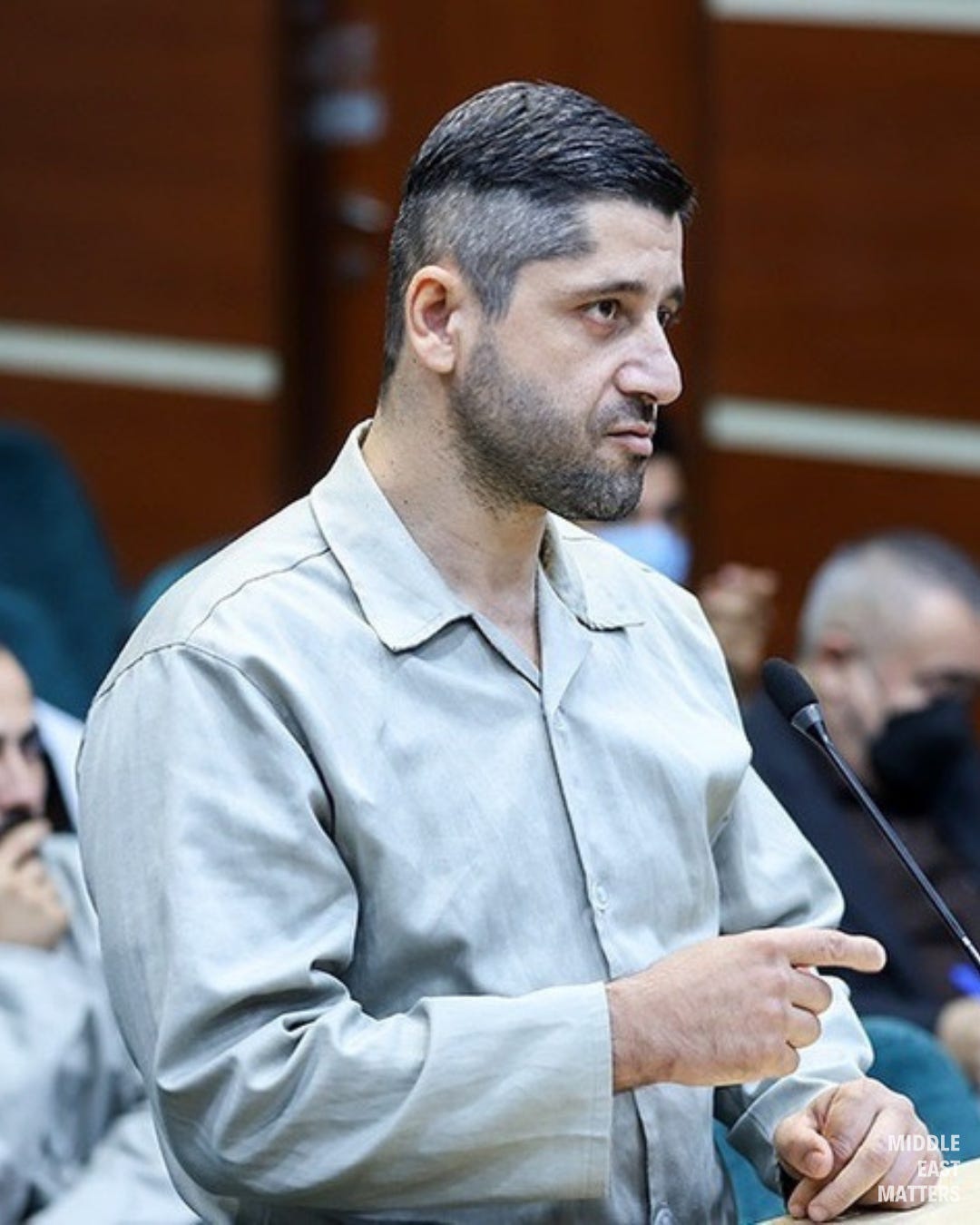
Sayed Mohammad Hosseini: A 39-year-old protester sentenced to death for “corruption on earth” (efsad-e fel arz) in connection with the alleged fatal assault of a Basij agent during protests on November 3, 2022.
On December 5, a Revolutionary Court in Alborz province convicted Hosseini less than a week after a fast-tracked group trial began on November 30—a proceeding Amnesty International said bore no resemblance to a meaningful judicial process.
Before the trial, state media broadcast the defendants’ forced “confessions” and labeled them “murderers,” violating their rights to the presumption of innocence.
He was reportedly tortured into making a forced confession, including by kicking him until he lost consciousness, beating the soles of his feet with iron rods, and administering electric shocks.
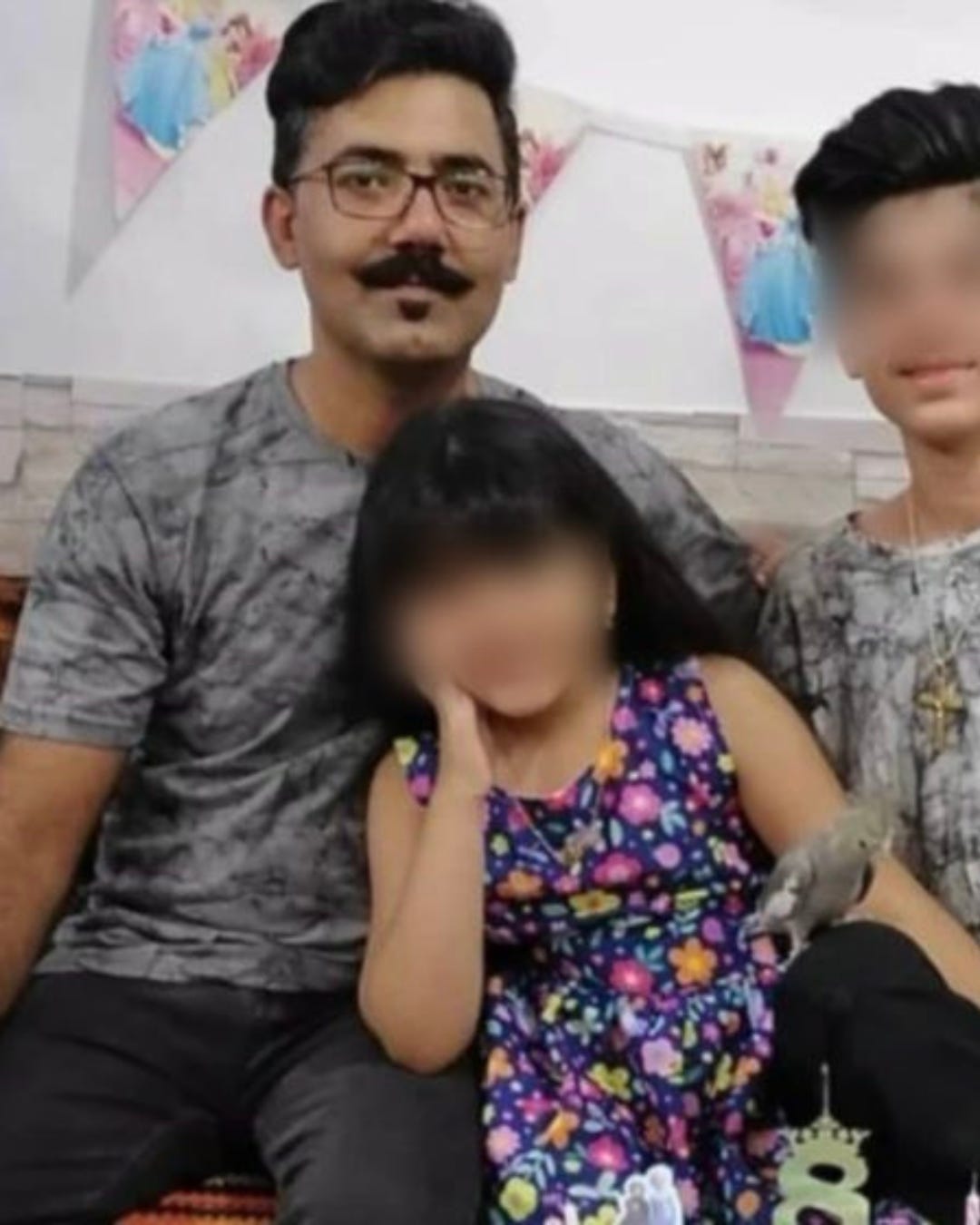
Reza Arya: A 43-year-old father of two who was reportedly sentenced to death for his alleged involvement in the killing of a Basij agent during protests in Karaj.
Iranian authorities did not officially identify Arya as the fifth defendant sentenced to death in the Ajamian case, but a close relative told The Guardian that he was.
According to the relative, Arya was arrested at his workplace and later held in solitary confinement. The family said Arya was driving to visit relatives when heavy traffic forced him to stop; he got out of his car and found people gathered around the agent, who was already dead.
Arya's family has said he plays the santoor, while his wife and son play drums. His children reportedly stopped attending school after learning he could be executed.