

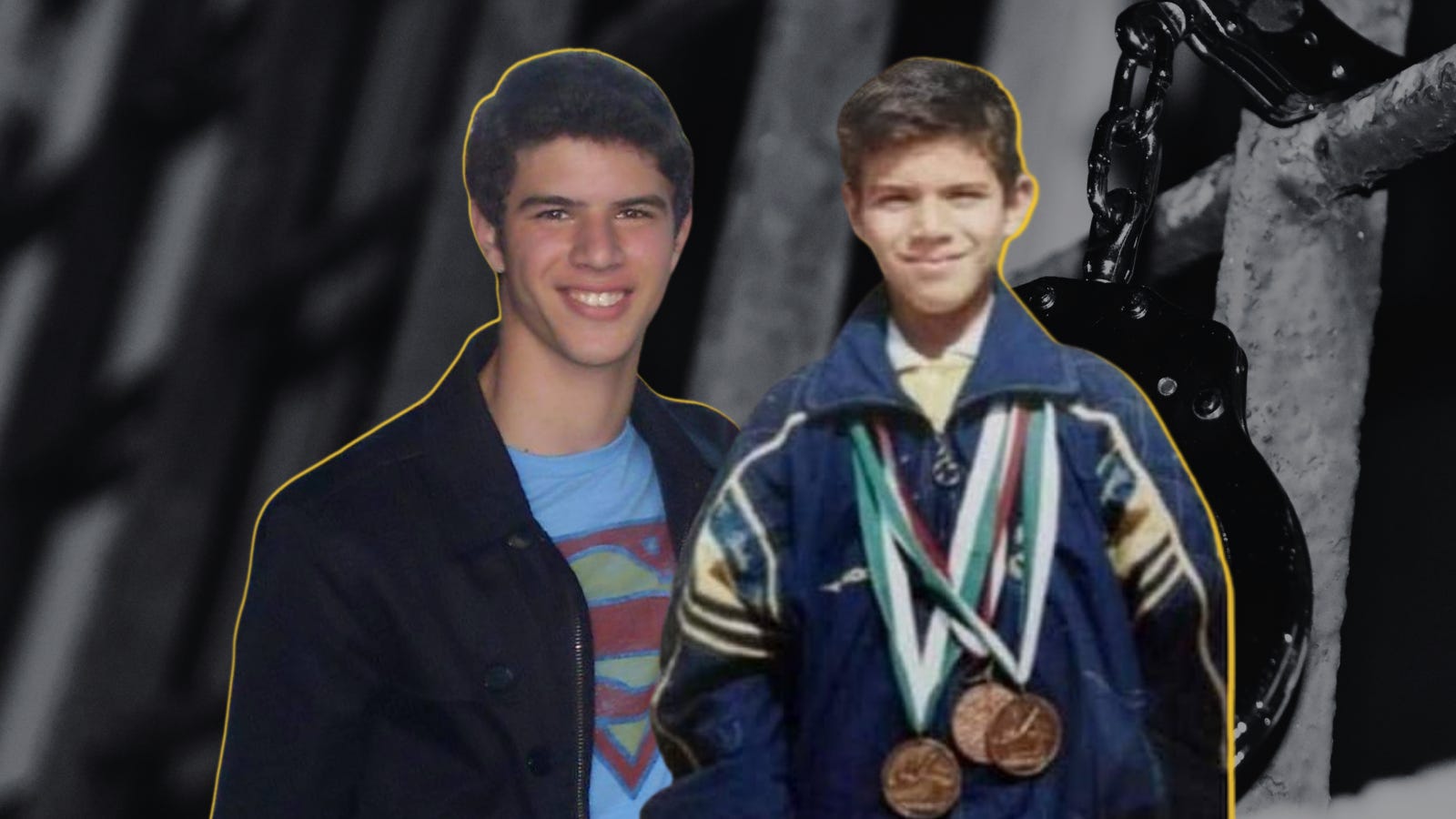
Ayman Moussa, an Egyptian student and athlete, was arrested at the age of 19 during a protest against the military coup in Egypt on October 6, 2013. He was sentenced to 15 years in prison in an unfair mass trial.
Some political prisoners involved in the same case, particularly students, received presidential pardons; however, Ayman remains unjustly imprisoned.
“I’m sitting in my cell on the ground – where I sleep – feeling like a little rat trapped in a cage in a lab, waiting to be tested on in an experiment where I have no idea what results it’s going to produce… What it’s going to turn me into!! I’m tired of losing a gift every birthday,” Ayman wrote in a letter from his cell on his 23rd birthday in 2016.
Ayman lost his entire twenties in prison, missing graduations, family gatherings, and birthdays. Most tragically, he lost his father, who died from a heart attack. Despite his family’s pleas, Egyptian authorities denied him the opportunity to attend his father’s funeral
“I missed my father’s funeral… I miss my father!!
I’m tired…
I’m tired of waiting for nothing but losses…
I’m tired of living an abnormal life…
I wanna go home before I lose something else… Before I lose someone else!!”
— Ayman Mousa wrote in a letter from prison in 2016
Abdelrahman ElGendy, an Egyptian writer who was arrested at just 17, met Mousa in prison, and the two became close friends. ElGendy spent six years and three months in some of several prisons until he was released on January 12, 2020. His friend Ayman continues to be unjustly held behind bars.
“The break-dancing boy who had done backflips that could make your jaw drop, who tickled and teased our casemates when our 15-year sentence was announced, who joked as we put on our new convict uniforms, ‘At least navy blue is more fashionable than pre-trial detention white!’— that boy ceased to exist. How can he ever heal when he hadn’t been able to embrace his Baba a final time, wave him into the ground?” said ElGendy about his friend Ayman.
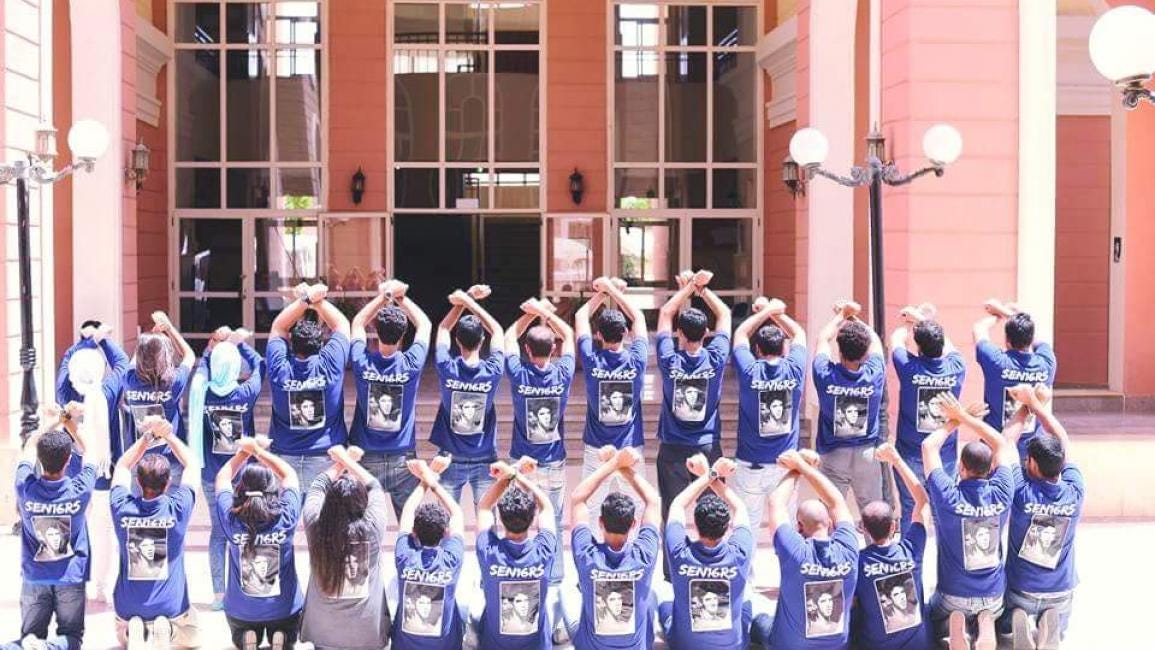
“One of the few times I saw him shed a tear was in 2016, when he saw photos his mother had smuggled in from what would have been his graduation day ... His entire class, every last student, wore T-shirts with Ayman’s face printed on them over their gowns. Ayman’s mum told him how they had stomped on the stage, chanting his name, and thunder-clapped,” said ElGendy.
Since the 2013 military coup, Egyptian dictator Abdel Fattah el-Sisi’s rule has been marked by severe repression and widespread human rights abuses.
Egypt is estimated to hold over 60,000 political prisoners. Thousands are subjected to enforced disappearances, prolonged detentions without trial, mass death sentences, and prosecution in military courts without due process. To manage this influx, the government has built several new prisons and jails.