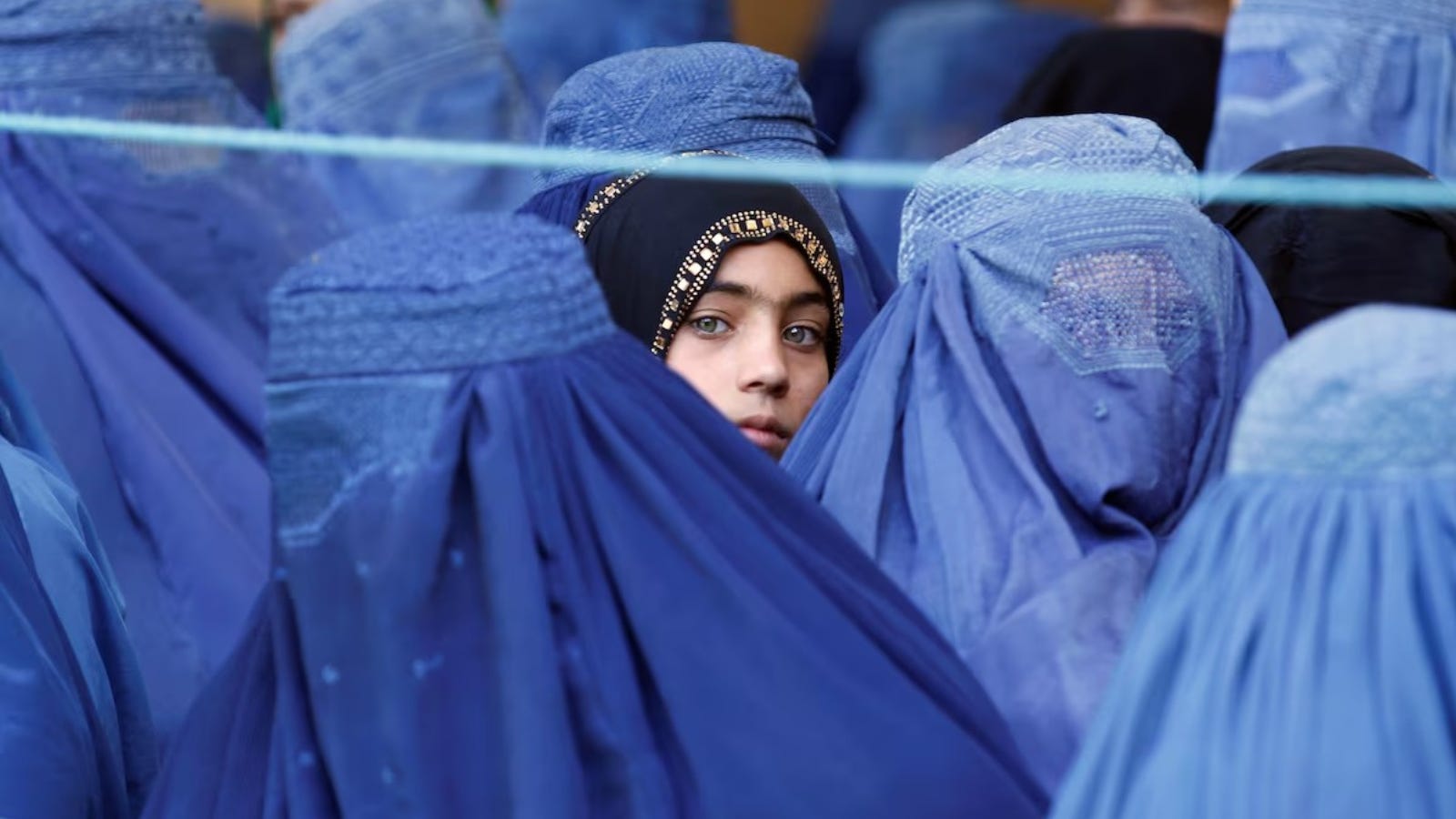
A new Taliban law on divorce allows the silence of a “virgin girl” who has reached puberty to be interpreted as consent to marriage.
The Decree No. 18, “Code on Judicial Separation of Spouses,” passed on May 14, 2026, explicitly distinguishes girls from boys and adult women: while a girl’s silence may be treated as marital consent, the silence of a boy or an adult woman does not constitute consent. The provision is particularly alarming given that puberty can begin as early as age 8.
By linking the minimum marriage age for girls to puberty, the Taliban has effectively legalized child marriage, according to the UN. Experts have emphasized that the law also effectively legalizes child rape.
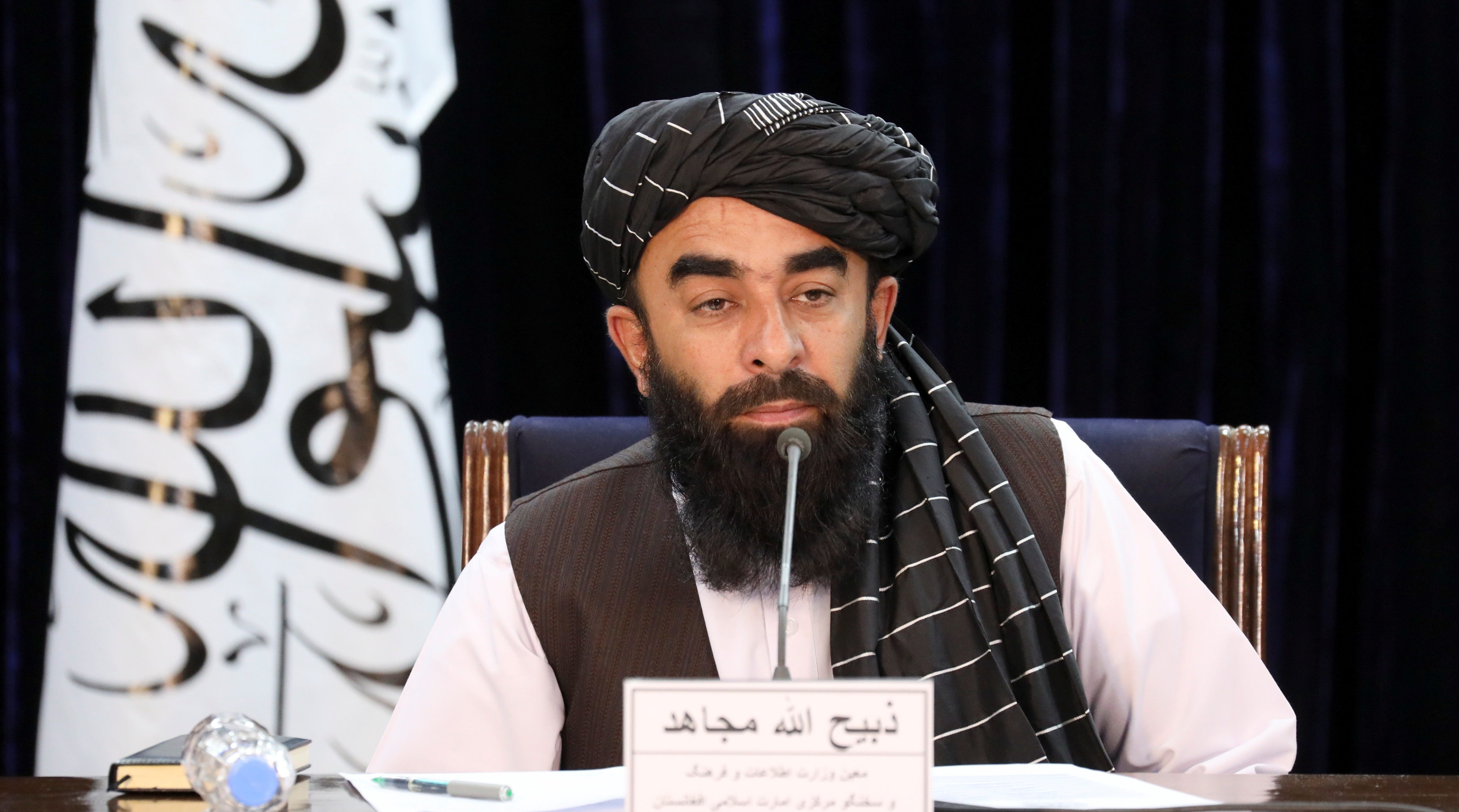
“A marriage proposal is something that a girl may feel shy or embarrassed about, and she may not be able to openly say that she agrees to marry. Therefore, her silence is regarded as consent,” said Zabiullah Mujahid, the Taliban’s spokesman.
Previously, the legal age for marriage for girls was 16, and the 2009 Elimination of Violence Against Women Law criminalized marriage for girls below 15.
“Under the new law, that age limit is removed. If a girl reaches puberty at the age of 9 or 10, she is considered of a legal age to marry. This is another level of atrocity that the Taliban are inflicting on women since they came to power,” Horia Mosadiq, director of the Conflict Analysis Network, told The Times.
Men have a unilateral right to divorce, women and girls don’t
Afghan men retain a unilateral right to divorce, while women require their husband’s consent. They must go to a Taliban court and undergo mediation rather than automatically receiving protection & a divorce.
The law also states that judges, who are clerics, cannot issue a divorce order solely because of the husband’s abuse without the husband’s consent.
An abusive husband’s testimony is valued more during divorce
The law also states that a minor girl can annul her marriage after reaching puberty if she can produce witnesses and obtain court approval.
If her husband denies her claim and she has no witnesses, his testimony is considered valid over hers—another way to trap girls in abusive marriages.
“The decree allows divorce, but on very abusive terms for women: It has to go through mediation, with the family’s support and the husband’s consent. How could a girl who has been married to an abusive husband for four, five years dare to go to court? How can she afford going to court, or how does she even know that she can go to court?” Fereshta Abbasi, the Afghanistan researcher at Human Rights Watch, told The New York Times.
Escaping abusive & forced marriages is practically impossible for girls and women.
Taliban courts operate without due process, are presided over by male clerics rather than trained judges, & exclude female lawyers, making the already difficult and discriminatory process of seeking divorce practically impossible for girls & women.
Women’s freedom of movement is also restricted, making access to courts or outside help nearly impossible.
Male guardianship policies that control women’s freedom and laws that give greater weight to an abusive husband’s testimony make it extremely difficult for girls and women to seek help and escape.
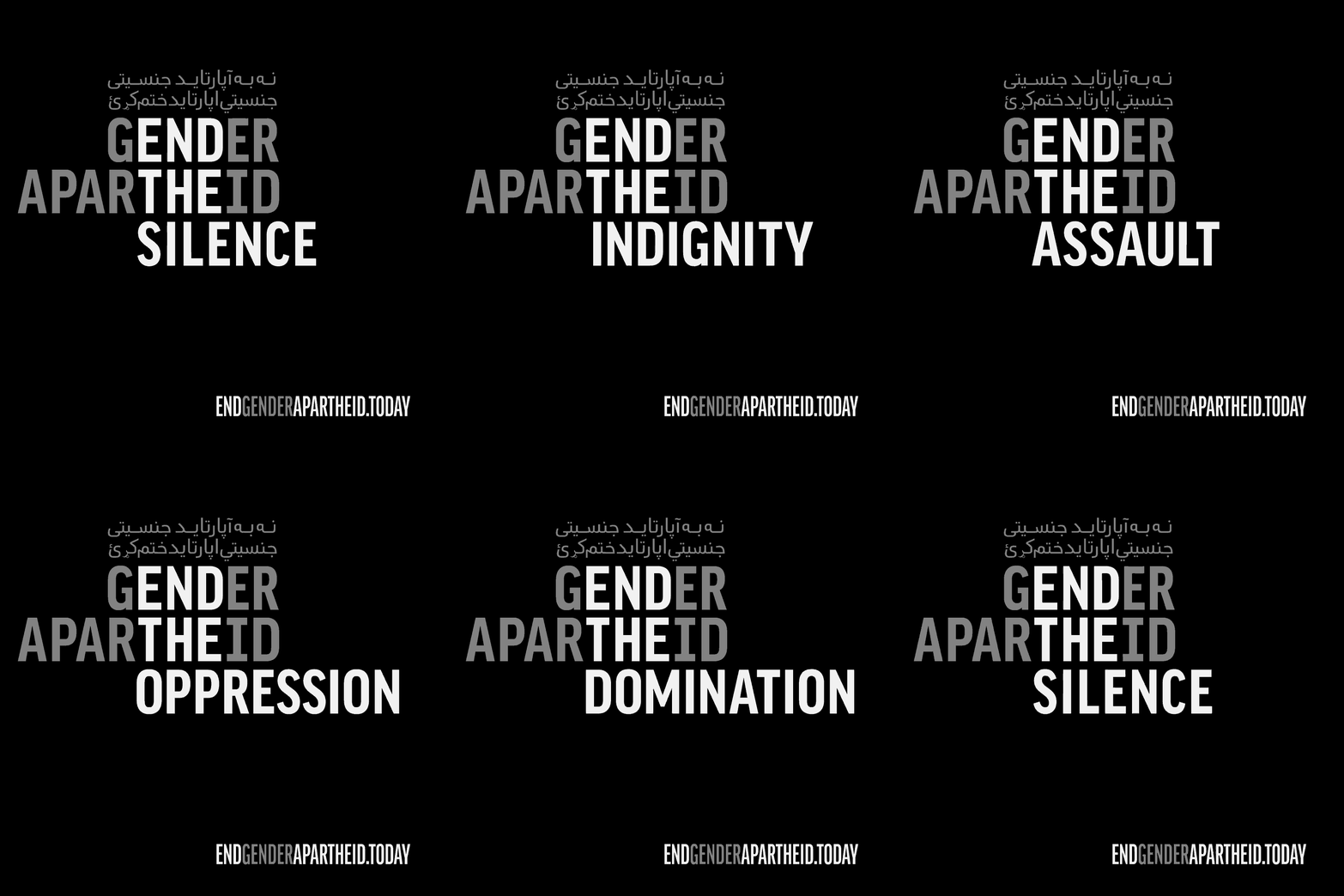
Gender Apartheid Under Taliban
Although child & forced marriage existed before the Taliban’s return to power, they have increased significantly in recent years, driven by worsening poverty, restrictive laws targeting women and girls, deepening gender inequality and patriarchal norms, and the dismantling of legal and protection systems.
Since taking power in 2021, the Taliban has systematically stripped women and girls of basic rights and freedoms, such as bans on education, bans on most jobs and public spaces, strict dress codes, and restrictions on freedom of movement.
Legal experts have described the Taliban’s legally enshrined system of oppression, designed to entrench and maintain power, as gender apartheid and are calling for it to be formally recognized as a crime under international law.
Learn more and support the End Gender Apartheid global movement.