

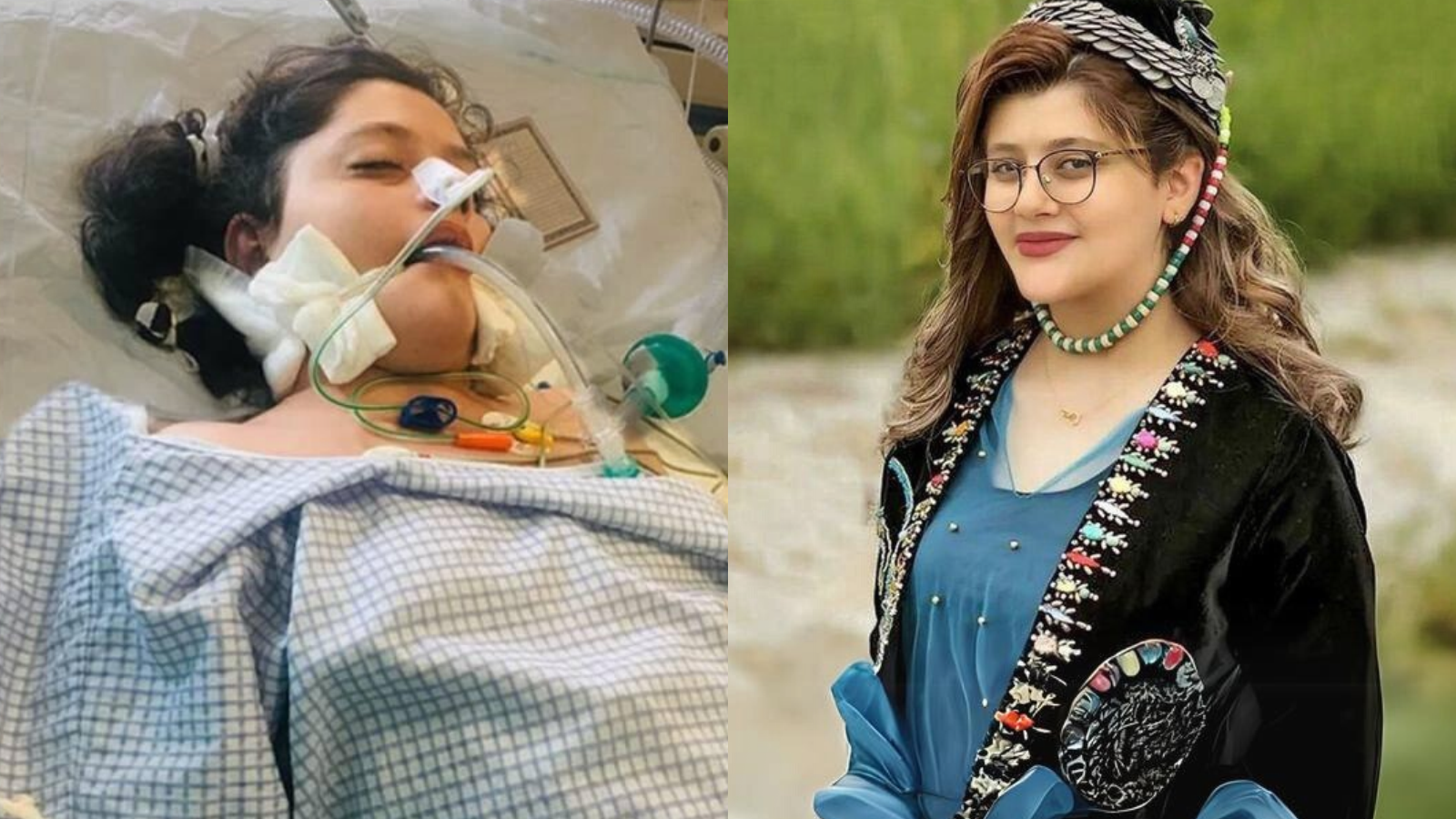
Today marks two years since Jina Mahsa Amini, a 22-year-old Kurdish woman, was killed on September 16, 2022, after being fatally beaten by the guidance patrol or “morality police,” who are responsible for enforcing the Islamic Republic of Iran’s mandatory dress codes.
Not a single official has been held accountable for Jina’s killing or the brutality that followed. Over 500 protesters were killed, thousands injured, and several unlawfully executed.
Jina had been arrested on September 13 by “morality” officers for allegedly wearing her hijab “improperly”. She was taken to a detention center in Tehran to be “convinced and educated.”
She was transferred to the hospital a few hours after her arrest with symptoms similar to a concussion. According to her family and doctors, she was already brain-dead when admitted. Jina’s family was only allowed to see her body after it had been wrapped for burial, when only her feet and face were visible.
“After a few [female detainees] were released, we suddenly heard screams. All of us were banging on the doors. All of a sudden the agents rushed out of the building and attacked us with batons and tear gas. My whole body is black and blue, and my eyes have been burning since last night. Five minutes later, an ambulance left the building,” Jina’s brother, Ashkan Amini, said about the moments after Jina was taken into custody
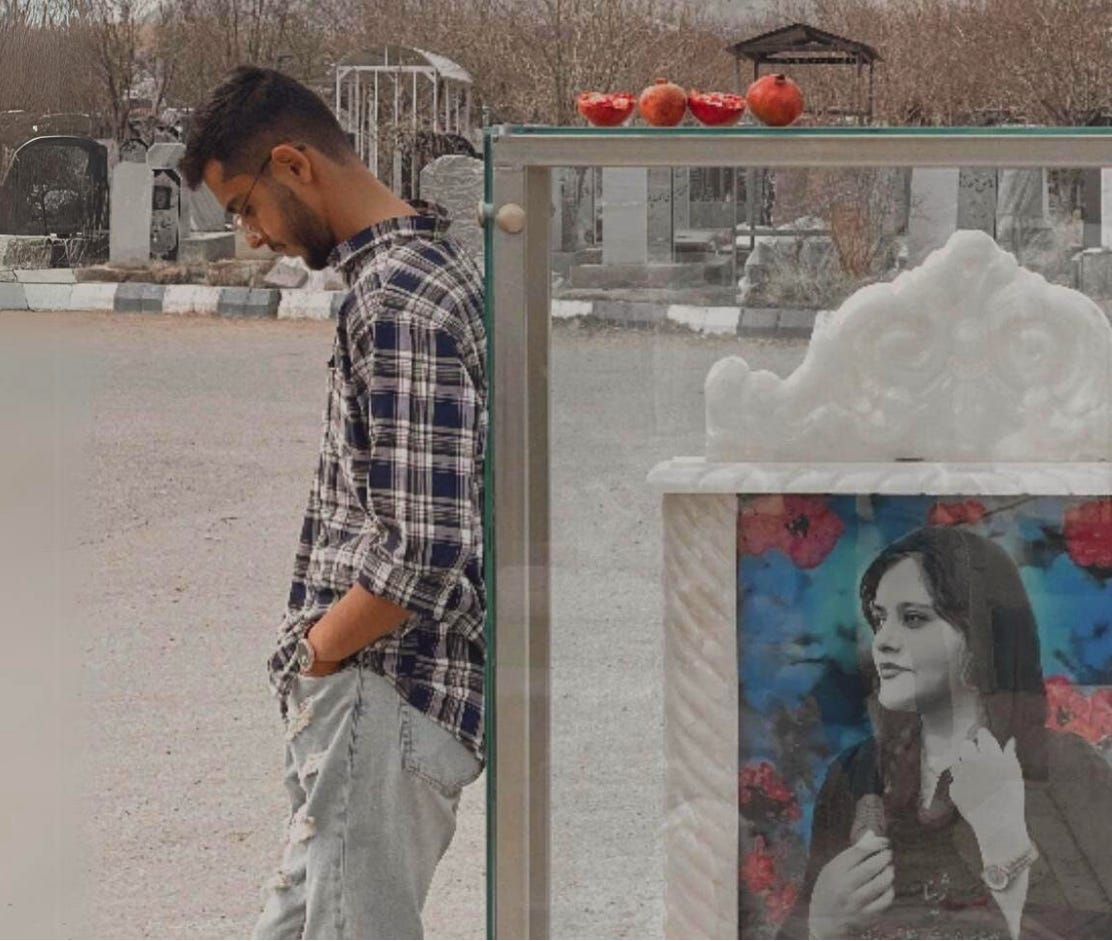
Jina was originally from Saqqez, Kurdistan province in Iran. Her family called her by her Kurdish name, Jina, meaning “life,” but since the Iranian state only allows names of Persian or Islamic origin, she was officially registered as Mahsa Amini.
“She wanted to study microbiology. She wanted to be a doctor - that was a dream that never came true. Her mother is so sick; we all miss her,” said Amjad Amini, father of Jina Mahsa Amini.
Jina and her family had traveled to Iran’s capital, Tehran, to visit relatives as her last holiday trip before starting university. When “morality police” agents forcefully detained Jina, her brother Ashkan tried to intervene, but he was physically harassed too.
“My son was with her. Some witnesses told my son she was beaten in the van and in the police station. My son begged them not to take her, but he was beaten too, his clothes were ripped off. I asked them to show me the body cameras of the security officers; they told me the cameras were out of battery,” said Amjad Amini.
The “Woman, Life, Freedom” revolution is ongoing
Jina’s killing in custody ignited an anti-government movement across Iran and around the world against the Islamic Republic’s repressive rule. The movement became known as “Woman, Life, Freedom”—a slogan with roots in Kurdish feminist thought and liberation struggles.
Two years on, Iranians continue to resist the government through daily peaceful acts of disobedience despite the risks of imprisonment and violence.
UN: Islamic Republic authorities committed crimes against humanity
Iranian authorities used brutal force, including live ammunition, metal pellets, and tear gas, against largely peaceful protesters. Over 500 people were killed, including children; hundreds were intentionally blinded; over 19,400 were arbitrarily detained and tortured; and ten protesters were executed.
The UN’s Fact-Finding Mission on the Islamic Republic of Iran has documented that these atrocities rose to the level of crimes against humanity.
This war on women must end now.
Women and girls living under the Islamic Republic of Iran endure an extreme, systematic, and structural war against them. This was designed to dehumanize and repress them for the purpose of entrenching and maintaining power.
However, they courageously continue the fight against being treated as second-class citizens under laws that dictate their bodily autonomy, economic and educational access, and other basic rights and dignity. This treatment has a name: Gender Apartheid.
The Islamic Republic’s mandatory dress code is the most visible manifestation of its broader systemic and institutionalized gender apartheid. Two years on, Iranians continue to resist the government through daily peaceful acts of disobedience despite the risks of imprisonment and violence.